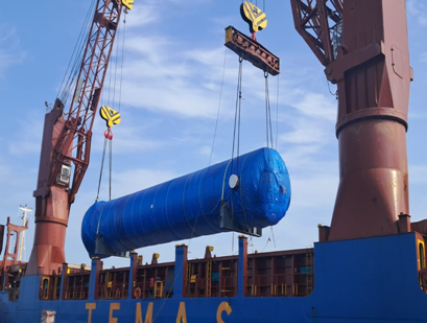
Project Overview & Execution
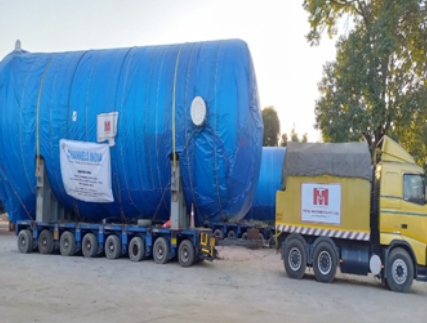
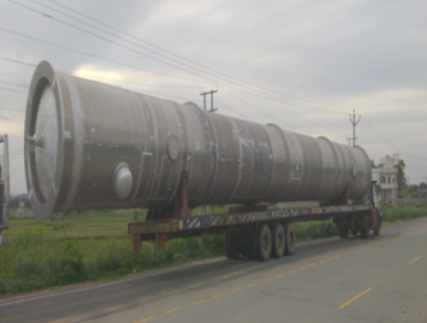
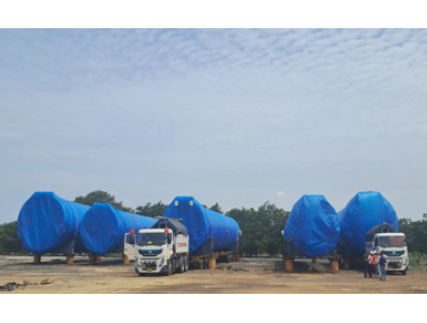
- Cargo Source: Critical refinery components, such as reactors and vacuum columns, were manufactured at VRV Asia Pacific (near Chennai) and other industrial hubs.
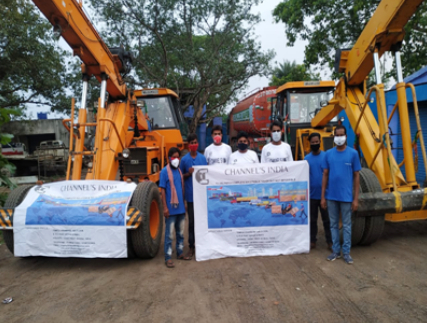
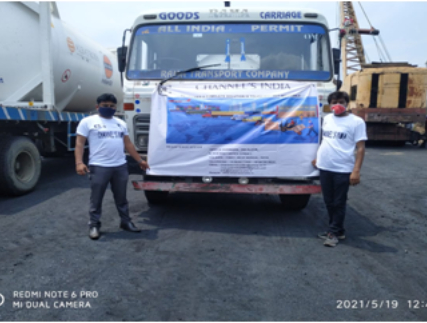
- Key Logistical Partner: The movement was orchestrated by specialized logistics firms like Channels India, involving intricate engineering for heavy-lift transport.
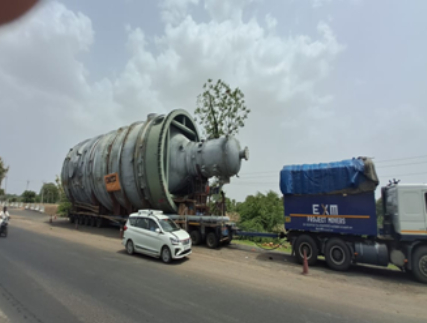
- Significance: This project highlights the shift to Inland Water Transport (IWT) for massive industrial loads that are impossible to transport via India's existing road or rail networks.
Multimodal Route & Infrastructure
The journey spans over 1,400 km and utilizes a combination of sea, river, and road transport:
- Coastal Shipping: Cargo is loaded onto heavy-lift vessels at ports near the manufacturing site (e.g., Chennai/Kattupalli) and moved to Kolkata/Haldia.
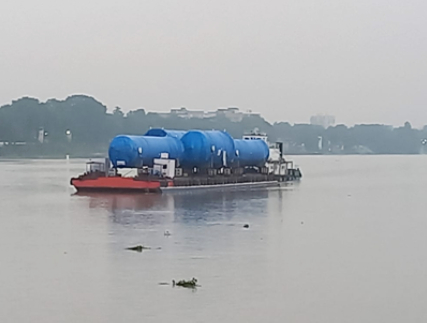
- Indo-Bangladesh Protocol (IBP) Route: Barges carry the cargo through the Sunderbans and Bangladesh waterways to enter India again at the Assam border.
- National Waterway-2 (NW-2): The consignment travels along the Brahmaputra River to reach major terminals like Pandu or Jogighopa.
- National Waterway-31 (NW-31): The final water leg involves the Dhansiri River, which leads directly to the Numaligarh Refinery Jetty.
- Engineering Feats: Execution required specialized vessel conversions, the construction of dedicated jetties, and in some cases, the building of a bridge to facilitate final site delivery.